Things to Do in Colombia in September
September weather, activities, events & insider tips
Low Season · Budget Friendly
September Weather in Colombia
Long-run averages for September in Bogota
66°F (19°C)
High Temp
46°F (7°C)
Low Temp
2.2 inches (56 mm)
Rainfall
77%
Humidity
12
Rainy Days
15
Sunny-Day UV
⚠ Equatorial sun at Bogota's altitude of 2,640 m (8,660 ft) produces intense UV exposure even on overcast days. Sunburn happens significantly faster than most sea-level visitors expect, and cloud cover offers far less protection than it appears to. Wear sunscreen. Apply high-SPF sunscreen before leaving your accommodation each morning, not just on clear days.
⚠ Caribbean coast cities including Cartagena, Santa Marta, and Barranquilla are in full second rainy season, with downpours heavy enough to flood low-lying streets for an hour or two. Stay dry. Avoid motorbike taxis during heavy rain and keep electronics in waterproof protection when walking the walled city.
Making the most of September in Colombia? Browse tours and activities in Colombia on GetYourGuide.
Is September Right for You?
Weigh the advantages and considerations before booking
Advantages
- + September lands in one of Bogota's drier stretches, with just 2.2 inches (56 mm) of rainfall compared to the 4.6 inches (117 mm) that April dumps on the capital. That tends to mean clearer mornings for walking La Candelaria's cobblestone alleys. It also brings more reliable day-trip weather across the highland corridor between Bogota and the Coffee Region.
- + International tourist numbers drop close to their annual floor. That translates to shorter lines at Bogota's Museo del Oro. It also means easier restaurant reservations in Medellin's El Poblado and Laureles neighborhoods. You will find noticeably better accommodation rates across the country compared to the December-January and June-August peaks.
- + The Coffee Triangle's family-run fincas around Salento and Manizales are gearing up for the main arabica harvest that begins in October. Early-ripening cherries are already being hand-sorted on drying patios. You catch the region at its most active and fragrant without the peak-harvest crowds that arrive a few weeks later.
- + This gives travelers an unfiltered window into Colombian social warmth. The tourist-oriented December holiday season tends to obscure this.
Considerations
- − The Caribbean coast, including Cartagena and Santa Marta, sits deep in its second rainy season in September. Afternoon downpours often last an hour or more rather than the quick highland drizzles. Sea swells periodically suspend boat trips to the Rosario Islands and Tayrona's coastal trails.
- − Some Pacific coast destinations like Nuqui and Bahia Solano see serious rainfall that can ground the small-prop flights connecting them to the rest of the country. This rain reduces whale-watching visibility. Humpbacks are still present through September.
- − The Amor y Amistad long weekend sends Colombians traveling domestically in force. Domestic flights and buses between Bogota and Medellin sell out fast. Popular weekend escapes like Guatape and Villa de Leyva can see accommodation rates spike if you haven't booked at least two weeks ahead.
Short on time in September? See day trips around Colombia on GetYourGuide.
Best Activities in September
Top things to do during your visit
Medellin Comuna Walking Tours
September's mild weather in Medellin, typically around 27°C (81°F) in the afternoons with humidity lower than the rainier months, turns the steep hillside walks through the city's transformed comunas into a comfortable half-day. These same walks become a sweat-soaked endurance test in the hotter weeks. On the western slopes, the outdoor escalators of Comuna 13 climb through a corridor of commissioned murals. The spray-paint colors almost oversaturate in the highland light. Community guides who grew up in these streets narrate a neighborhood's reinvention with a directness no museum panel can match. Across the valley on the northeastern ridgeline, the Metrocable gondola lifts you above a patchwork of terracotta roofs and satellite dishes. The whole Aburra Valley spreads below as reggaeton drifts up from the warren of streets. The smell of frying arepas from corner stalls floats through the open cabin. The lower tourist numbers in September mean smaller group sizes. You get more space in the cable cars. You get more time for the unhurried conversations that make these walks memorable rather than performative. The light at Medellin's altitude of roughly 1,500 m (4,920 ft) has a clarity that makes the street art pop. The air carries that specific Medellin mix of plantain sweetness and motorcycle exhaust that you stop noticing after about three hours.
Booking Tip: Book three to five days ahead through operators whose guides are residents of the comunas they walk. Their firsthand accounts carry weight you will not get from a hired city guide. Morning tours run cooler. They tend to draw fewer people. See current options with verified reviews in the booking widget below.
Guatape and Penol Rock Day Trips
The over 700 steps up La Piedra del Penol earn every drop of sweat. September is arguably the best month to make the climb. The air at Guatape's roughly 1,900 m (6,230 ft) altitude is drier than the valley below. The morning sun hits the rock at an angle that keeps the staircase in partial shade for the first half of the ascent. At the summit, the reservoir fans out below in fractal green fingers between forested hills. On clear September mornings the visibility can stretch far enough to make the water look like it goes on forever. The town itself is a grid of zocalos, the lower half of every building facade covered in raised three-dimensional murals depicting local life, animals, parrots, coffee plants, and the history of the region. With fewer international visitors in September, you can linger at the top viewpoint without someone elbowing past you for a photo. The two-hour drive from Medellin passes through mountain valleys where eucalyptus and damp earth scent the air through the open window. The temperature drops just enough to make the drive itself feel like part of the day rather than a transfer to endure.
Booking Tip: Book at least a week ahead for guided day trips that include transport from Medellin. Look for packages that offer early morning departures to reach the rock before the midday cloud cover rolls in. Some operators bundle paragliding over the reservoir. September's stable morning thermals tend to make this reliable. See current options in the booking widget below.
Coffee Country Finca Visits and Horseback Riding
September in the Eje Cafetero delivers steep green slopes dotted with coffee plants whose cherries are just beginning to blush from green to red at the edges. The main harvest arrives in October. But September catches the family-run fincas at their most candid. Workers are calibrating pulping machines. Drying patios are being swept and leveled. The three- and four-generation operations that grow arabica on these volcanic slopes have more time to talk than when they're neck-deep in picking. Around Salento, at roughly 1,900 m (6,230 ft), the air carries that wet-earth smell of recent cloud-forest showers mixed with the sharp, slightly fermented tang of coffee pulp from the processing stations. The horseback rides through these valleys cover terrain that jeeps struggle with, crossing streams where the water runs coffee-brown from the volcanic soil and passing through banana groves where the leaves brush your shoulders. You might spot toucans in the tree canopy if you go early and keep quiet. The temperature sits comfortably around 20°C (68°F) during the day but drops enough in the evening that the wood-fire stoves inside the older fincas serve a function, not just an atmosphere.
Booking Tip: Book finca tours five to seven days ahead. Look for operators whose visits include the full wet-mill process from cherry to parchment, not just a cupping session tacked onto a bus ride. Morning departures dodge the afternoon cloud cover that tends to settle over the hills by 2 PM. See current options in the booking widget below.
Bogota La Candelaria Food and History Walks
La Candelaria's colonial streets narrow and steepen as you climb away from Plaza de Bolivar, and September's drier weather means the uneven cobblestones are not the ankle-threatening slip hazard they become in the April rains. Bogota's food in this neighborhood moves on its own clock. Breakfast means changua. The egg-and-milk broth that La Puerta Falsa near the plaza has been ladling out since 1816 tastes odd on the first spoonful and somehow essential by the third. By midday, empanada vendors along Carrera Septima are frying at full tilt, the corn dough crackling in hot oil that smells of achiote and cumin, each golden half-moon stuffed with seasoned potato or shredded beef. Bogota's Museo del Oro sits a few blocks south, and September's thinner crowds mean you can get close enough to the Muisca raft to study its goldwork without someone's arm blocking the glass. At 2,640 m (8,660 ft), the capital's September temperatures hover around 19°C (66°F) during the day, cool enough that walking for hours feels invigorating rather than draining, though the late-afternoon chill can creep up on you if you haven't packed a layer. The graffiti tour through the university district south of La Candelaria adds another dimension: political murals and commissioned street art cover nearly every available surface, and guides explain the stories behind them with a candor that surprises most first-time visitors.
Booking Tip: Book food-focused walking tours two to three days ahead. Morning departures hit the markets when vendors are freshest and most willing to offer tastes. See current options in the booking widget below.
Cocora Valley Wax Palm Hikes
The Quindio wax palms of the Cocora Valley rise 60 m (200 ft) into cloud-forest mist on impossibly slender trunks, the tallest palm species on earth growing at an altitude that seems wrong for a tree associated with the tropics. The standard loop trail takes four to five hours and climbs from the valley floor at around 2,400 m (7,870 ft) through dairy pastures where the grass is heavy with morning dew into cloud forest where hummingbirds hover at feeders hung outside a trailside farmhouse, their iridescent throats catching whatever light breaks through the canopy. September has a decent window: less mud than the April-May peak rains. But enough moisture to keep the forest dripping and the moss a shade of green that photographs almost too well. The air up here smells of wet moss, decomposing leaf litter, and the sharp sweetness of wild orchids, and the temperature drops noticeably as you gain elevation, from a comfortable 18°C (64°F) at the trailhead to around 12°C (54°F) deeper in the forest. Start early, ideally by 7 AM. Afternoon clouds tend to fill the valley like a bathtub and erase the views that justify the climb. The walk back down opens up the valley panorama ahead of you, the wax palms standing like sentinels across the hillsides, and by that point your boots will be caked in volcanic mud regardless of how dry the week has been.
Booking Tip: Guided hikes can be booked a few days ahead from the town of Salento, and operators typically provide rubber boots when conditions call for them. Bring a packed lunch. Bring at least a liter of water. The cloud forest section has no vendors. See current options in the booking widget below.
Cartagena Walled City and Rosario Island Excursions
Cartagena in September is an honest trade-off, and whether it works for you depends on what you came for. The Caribbean heat sits around 32°C (90°F). The humidity wraps around you like a damp towel the moment you step outside your accommodation. The afternoon rains that arrive most days are not the polite highland drizzles but heavy tropical downpours that send everyone under the balconied overhangs of the Ciudad Amurallada. But here is what you get in return: the colonial streets empty out. The plazas where you would normally fight cruise-ship groups for a photo of the clock tower at Torre del Reloj or the ramparts of San Felipe de Barajas have room to breathe. The fruit vendors still stack their bowls of mango biche sprinkled with coarse salt and lime along the old walls. The ceviche at the stalls near the Portal de los Dulces still carries that coastal Colombian signature of coconut milk and fresh corvina. The Rosario Islands, roughly 45 minutes by boat, offer warm turquoise water and reasonable snorkeling when the sea cooperates, though some operators reduce their September schedules due to chop. Mornings before the rain are your window. The light on the pastel facades of the old city around 7 AM, still wet from overnight condensation, has a softness that the harsh midday sun burns away.
Booking Tip: Check sea conditions before booking island day trips, as September swells cancel departures more often than in the dry months. Walled city walking tours need only a day or two of lead time. Late afternoon departures work best once the worst of the midday heat has cracked. See current options in the booking widget below.
Where to Stay in Colombia in September
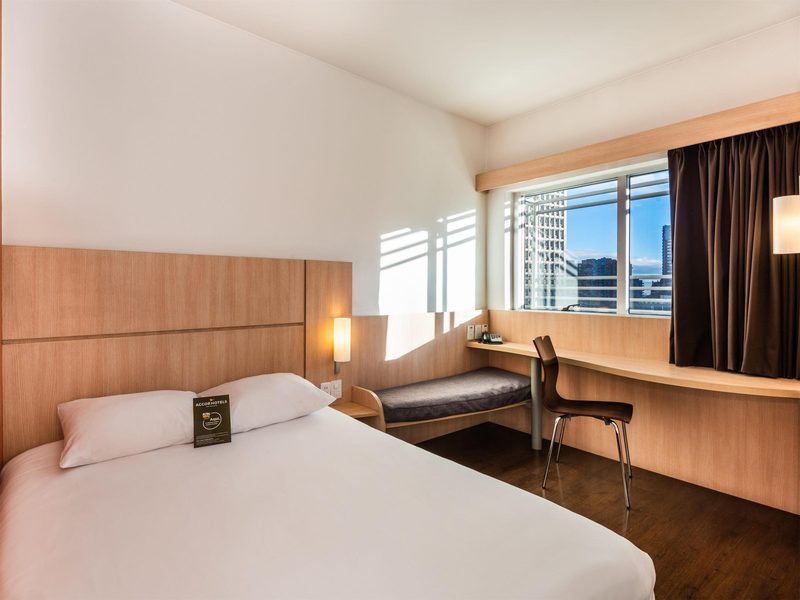
Hand-picked hotels across price tiers for September travellers.

Packing Checklist
Bookmark this page — your progress is saved between visits
Need the full list with shopping links?
Climate-specific gear, brand recommendations, and what to leave at home.
View Colombia Packing List →Essential Tips
Insider knowledge and common pitfalls to avoid
Insider Knowledge
Colombia's weather is governed by altitude, not seasons. Every 1,000 m (3,280 ft) of elevation drops the temperature roughly 6°C (11°F), so Bogota at 2,640 m (8,660 ft) and Cartagena at sea level feel like different countries on the same afternoon. Pack for the altitude you are sleeping at, not the country.
Bogota's Ciclovia shuts down over 120 km (75 miles) of city roads to motor traffic every Sunday and holiday from 7 AM to 2 PM. September's drier weekends make it one of the best months to join the roughly two million cyclists, joggers, and families who reclaim the streets. Bike rental stalls line the route near Parque de la 93.
The Amor y Amistad long weekend triggers a domestic travel increase that can push accommodation rates sharply upward in Guatape, Villa de Leyva, and other popular weekend escapes. If your dates overlap with that third weekend of September, book those stops at least two weeks ahead. Otherwise, plan to be in a major city where supply absorbs the demand.
In any Colombian city, ride-hailing apps are the standard for safe transport after dark. Hailing random cabs off the street at night is something most urban Colombians stopped doing years ago. Follow their lead. During the day, registered yellow cabs are generally fine, if your accommodation calls one for you.
Avoid These Mistakes
Packing only for warm weather and arriving at Bogota's 2,640 m (8,660 ft) in shorts and flip-flops is a common error. The altitude means 7°C (45°F) nights and mornings that feel closer to autumn in Northern Europe than tropical South America. Pack smart. At least one proper warm layer is non-negotiable, and you will wear it every evening.
Trying to fit Bogota, Medellin, Cartagena, and the Coffee Region into a single week is a mistake. The country is geographically vast, domestic flights still require airport transfers and security queues that eat half-days, and the altitude adjustment from Bogota's 2,640 m (8,660 ft) to Cartagena at sea level and back affects how you feel more than most travelers expect. Slow down. Two regions done properly beats four done in a blur of airport lounges.
Assuming the Caribbean coast will deliver guaranteed beach weather in September is optimistic. Cartagena and Santa Marta are in their second rainy season, with heavier and longer downpours than the highlands get, occasional rough seas that cancel island boats, and a humidity level that makes even shaded spots feel airless. Plan accordingly. Build coastal days around morning activities and treat afternoon downtime as part of the plan rather than a disruption.
Ready to plan your trip to Colombia?
Now that you've got the research covered, here's where to go next.
Book Experiences in Colombia
Top-rated things to do in Colombia this September




Explore More Activities in Colombia
Didn't see anything interesting yet?
Browse Viator's full catalog of tours, day trips, food experiences, and private guides in Colombia.
See All Colombia Tours on Viator